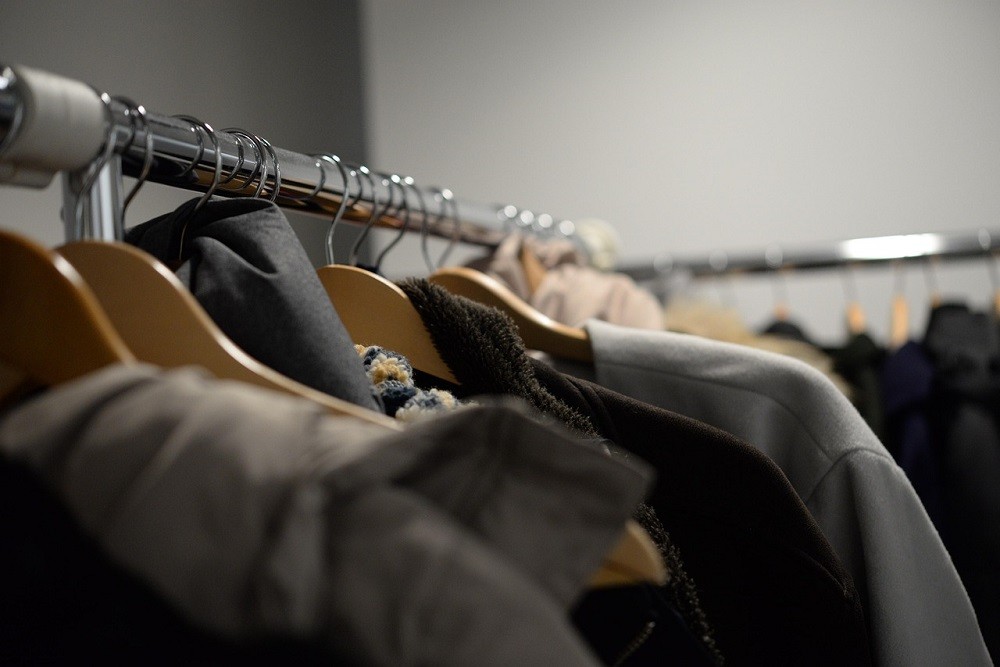
Stepping out for an evening, whether it's to a bustling concert, an elegant dinner, or a captivating theatre performance, often comes with a common dilemma: what to do with your outerwear, bags, and accessories? The last thing you want is to juggle a bulky winter coat through a crowded venue or worry about the security of your belongings while you're trying to enjoy the moment. This is precisely where the invaluable service of an attended coat check steps in, transforming a potentially cumbersome experience into one of seamless comfort and peace of mind.
Far beyond a simple hook on the wall, an attended coat check offers a secure, organized solution for temporarily storing your items. It's a hallmark of hospitality and convenience, designed to enhance your visit to public spaces. Let's delve into the world of these essential services, exploring where to find them, how to use them effectively, and the unspoken etiquette that ensures a smooth transaction.
What is an Attended Coat Check and Why Use One?
At its core, an attended coat check (also known as a cloakroom or checkroom in North America) is a dedicated, staffed area within a building where you can securely store your coats, bags, umbrellas, hats, and other personal items. Unlike an unsupervised cloakroom, which might be found in a school or gymnasium where items are left at one's own risk, an attended coat check involves a trained staff member who takes possession of your items, issues you a unique ticket or receipt, and ensures their safe keeping until you're ready to reclaim them. A corresponding tag is typically attached to your garment or bag, linking it directly to your ticket.
The benefits of using an attended coat check are manifold, extending far beyond mere convenience:
- Enhanced Comfort: No more lugging heavy coats or awkwardly draping them over chairs. You're free to move, mingle, and enjoy the event unencumbered.
- Increased Security: With a staff member overseeing your belongings and a secure ticketing system, the risk of theft or misplacement is significantly reduced compared to leaving items unattended. This is especially crucial for valuable outerwear or bags.
- Optimized Space: Venues become less cluttered, allowing for better flow and a more pleasant atmosphere for everyone.
- Peace of Mind: Knowing your belongings are safe allows you to fully immerse yourself in the experience, whether it's a critical business meeting or a joyous celebration.
- Preparedness for All Weather: You can dress appropriately for the outdoors without having to endure uncomfortable warmth or dampness once inside.
While the term "cloakroom" in the UK can sometimes refer to a lavatory, the context of an attended storage facility for outerwear remains globally understood as a critical amenity. Understanding the nuances between these terms, as well as the expected service, can often involve learning about local customs regarding fees and tipping. For a deeper dive into these distinctions, explore our guide on Cloakroom vs. Coat Check: Understanding Differences & Tipping.
Where to Find Attended Coat Checks: A Venue Guide
Attended coat checks are typically associated with venues that host large gatherings, require a certain level of decorum, or expect guests to be unencumbered for an optimal experience. You'll most commonly find these services at the entrances of:
- Nightclubs and Bars: Essential for keeping coats and bags secure while you're on the dance floor.
- Theaters and Concert Halls: Allows patrons to enjoy performances without bulky items obstructing views or comfort.
- Museums and Art Galleries: Prevents large bags and coats from accidentally brushing against exhibits and offers a more focused viewing experience.
- Larger Restaurants and Fine Dining Establishments: Part of the upscale service, ensuring guests can dine comfortably without clutter.
- Event Venues and Convention Centers: Crucial for conferences, galas, and formal events where professional presentation and ease of movement are key.
- Casinos and Hotels: Often available, especially in their event spaces or near their entertainment zones.
- Sports Arenas and Stadiums (for certain events): While not always available for general admission, specific events or VIP sections might offer this convenience.
The presence and nature of a coat check can vary significantly by venue and region. In colder climates, they are almost a necessity, whereas in warmer regions, they might be reserved for more formal or exclusive events. Always look for signage near the entrance or inquire with staff upon arrival.
Mastering the Coat Check Experience: Tips for a Smooth Transaction
Using a coat check is typically a straightforward process, but a few pointers can make your experience even smoother and more efficient:
- Consolidate Your Items: If possible, place smaller items like scarves, gloves, or even a small purse inside your coat pockets or a larger bag before handing them over. This minimizes the number of individual items you're checking and keeps everything together.
- Remove Valuables: While coat checks are secure, it's always wise to keep essential valuables (wallet, phone, keys, ID) with you. Only check items you won't need immediate access to.
- Present Your Items Clearly: Hand your coat to the attendant open and ready to be hung. If you have a bag, make sure straps aren't tangled.
- Receive and Secure Your Ticket: The attendant will give you a numbered ticket or receipt. This is your most important item! Keep it in a safe, memorable place, like your wallet, a secure pocket, or a small clutch. Pro Tip: Take a quick photo of your ticket with your phone as a backup.
- Reclaiming Your Items: When you're ready to leave, present your ticket to the attendant. Be patient, especially during peak exit times, as attendants work diligently to match tickets to items. Once you receive your items, quickly verify that they are indeed yours before stepping away.
Lost tickets can be a hassle, often requiring you to wait until everyone else has left to identify your items, which can be time-consuming and sometimes involve a small fee. Therefore, safeguarding your ticket is paramount.
Navigating Fees, Tipping, and Etiquette
The cost of using a coat check can vary widely, and understanding these nuances is key to a seamless experience.
- Fees: Some coat checks charge a mandatory fee, which can range from a nominal $2-$5 at a nightclub to higher rates at exclusive events. This fee often covers the operational costs of the service. Other venues, particularly high-end restaurants or theaters, might offer the service complimentary as part of their hospitality. Always look for posted signs near the coat check desk for clarity on fees.
- Tipping: Even if a fee is charged, a tip is often customary and highly appreciated, especially in regions like North America. It's a way to acknowledge the attendant's service in securely handling your belongings. A common tipping practice is $1-$2 per item or a flat $5 for a few items, often given when you reclaim your items. If the service is complimentary, a slightly larger tip (e.g., $3-$5) is a thoughtful gesture. Have small bills ready to make tipping easy.
For more detailed insights on balancing the security of your belongings with the associated costs, our article Coat Check Essentials: Your Guide to Secure Storage & Fees provides comprehensive guidance.
Etiquette:
- Be Prepared: Have your items ready to check and your payment/tip ready when applicable.
- Be Patient: During busy periods (arrival and departure), there might be a queue. Maintain composure and wait your turn.
- Be Polite: A friendly greeting and a thank you go a long way in acknowledging the service provided.
- Don't Lingering: Once you've retrieved your items, quickly move away from the counter to allow other patrons access.
Beyond Practicality: The Enhanced Experience
While the practical benefits of a coat check are undeniable, their true value often lies in the subtle ways they enhance the overall experience of an outing. Imagine attending a formal gala in winter: without a coat check, you'd be constantly worried about where to put your expensive overcoat, potentially leaving it vulnerable or simply making you feel less elegant. With a coat check, you step in, shed your layers, and are instantly transformed, ready to fully engage with the event.
In a nightclub, a coat check means the freedom to dance without fear of losing your bag or feeling weighed down. At a museum, it allows for hands-free exploration of exhibits. These services are more than just storage; they are an investment in your comfort, security, and ultimately, your enjoyment. They allow you to be present, to savor the moment, and to leave the mundane worries of personal belongings at the door.
In conclusion, the attended coat check is a subtle yet significant amenity that elevates public experiences. By providing secure, staffed storage for outerwear and personal items, it frees patrons from logistical burdens, allowing them to fully immerse themselves in their chosen activities. Understanding where to find these services, how to utilize them efficiently, and navigating the customary fees and tipping protocols ensures a smooth, stress-free interaction. So, the next time you encounter one, embrace the convenience – it's a small step that makes a big difference in enhancing your comfort and peace of mind when you step beyond the hanger.